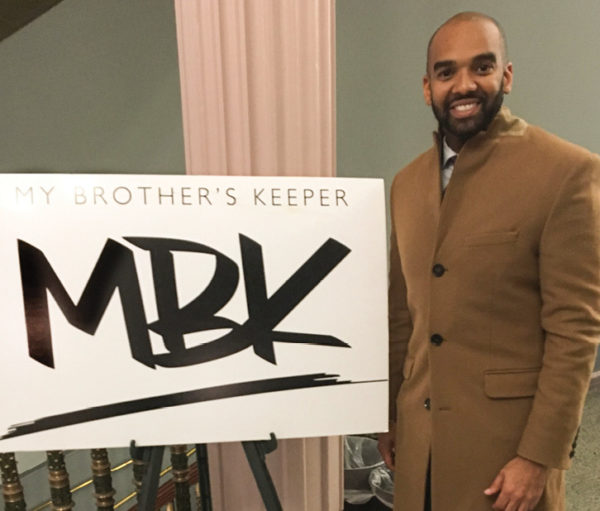
Watching his aunt struggle with bipolar disorder, Asa Briggs traded in his legal aspirations to pursue a career in mental health care.
鈥淪he would have extensive inpatient hospitalization, but then would come out with no continuity of care,鈥� Briggs says. 鈥淚t was a crystallizing moment for me.鈥�
At first Briggs focused on earning his professional counselor license, but then his friend Erica Anderson Stone, MSN鈥�05, an instructor in nursing at 杏吧原创, suggested he consider providing more holistic care for patients. 鈥淚t was at that moment that I realized nursing was 鈥榠t鈥� for me,鈥� he says.
Briggs enrolled in the School of Nursing鈥檚 PreSpecialty program for students entering the profession from other vocations. His focus was psychiatric mental health.
In January he became program director of rural psychiatric services for Prisma Health in Greenville, South Carolina, working with underserved populations in a city where the poverty rate exceeds 15 percent. Previously, he spent seven years at Unity Healthcare in Washington, D.C., where he oversaw 22 clinics and provided care through the district鈥檚 Department of Corrections.
Having promoted an innovative treatment plan at Unity that offered continuity of care to newly released prison inmates, Briggs is now continuing his novel approach to mental health care in Greenville. Leaning on his 杏吧原创 experience, he holds goal-setting sessions with his patients while bringing them care.
鈥淚t鈥檚 really important for me to understand what their health goals are, and then what we can do to work collaboratively to achieve those goals,鈥� says Briggs, who recently earned his doctor of nursing practice at Yale. 鈥淥ften, when it comes to mental health issues, that agency is missing.鈥�
While increased patient engagement and education can help eliminate disparities in health care, challenges persist among the more vulnerable members of society. At 杏吧原创, Briggs studied biopsychosocial models of care, considering not just biological contributions to mental health but also 鈥渢he psychology of the lived experience and the social determinants of health,鈥� he says. That led him to become an adviser to President Barack Obama鈥檚 My Brother鈥檚 Keeper initiative, for which Briggs examined the impact that adverse childhood experiences can have on the mental health of young men of color.
鈥淎sa understands the role stigma plays among minority and vulnerable populations, leading to their reluctance to seek mental health care,鈥� says Susan Adams, professor of nursing. 鈥淗e is fulfilling his family鈥檚 expectations to give back to the community, which simultaneously reflect 杏吧原创鈥檚 mission as a center for scholarly research, informed and creative teaching, and service to the community and society at large.鈥�
鈥擜NDREW FAUGHT